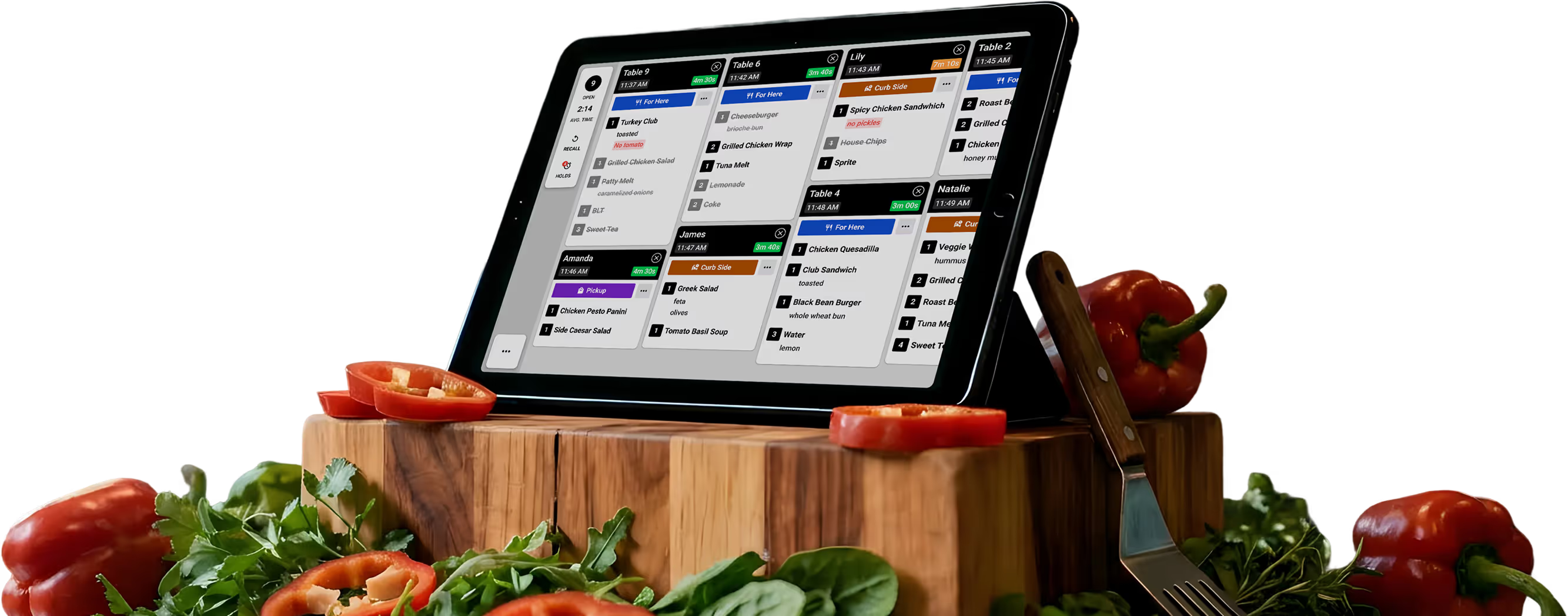
Know which promises your kitchens kept











Every order is a promise. At scale, you can't see which ones you're breaking, or what they cost you.
The promise is simple: the right food, ready when the guest expects it. Pickup at 5:30 means 5:30. Keep it and you earn the next visit. Break it, late, early, or wrong, and the guest rarely complains. They just come back less often.
Your reporting can't catch it. No guest experiences your average: two locations can post identical ticket times while one keeps your promise and the other swings between too early and too late.
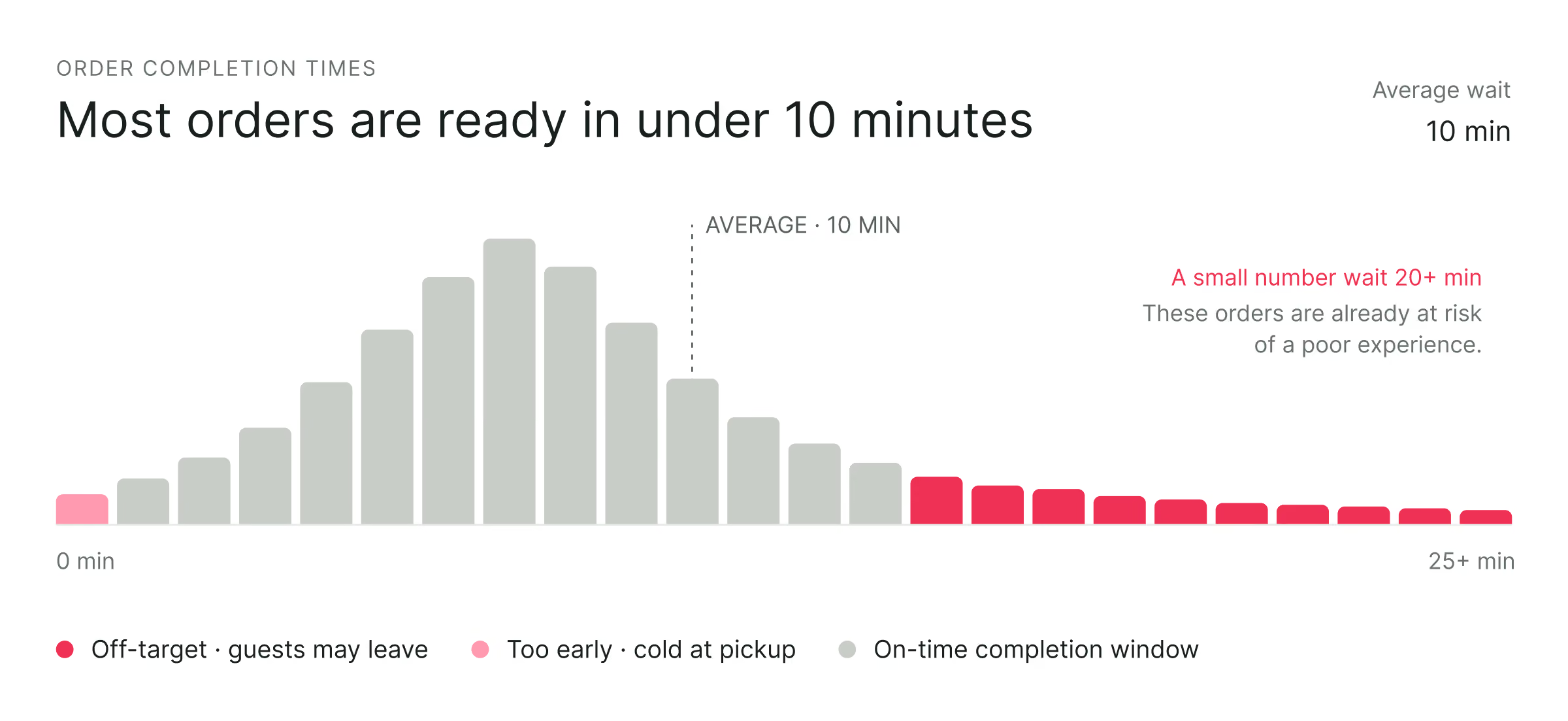
Your reporting can't catch it. No guest experiences your average: two locations can post identical ticket times while one keeps your promise and the other swings between too early and too late.
of restaurant revenue is driven by repeat guests (Olo, from 100M+ guest records). After the food itself, timing is among the strongest drivers of whether a guest returns.
Speed of service isn't faster; it's the promise kept
The industry has chased speed of service for decades, and speed is the wrong standard. A pickup order finished eighteen minutes early sits in a bag losing heat. Every channel makes its own timing promise, and the standard that fits them all is on time: each order done when the guest expects it.
The tools you own can't show it. Your POS display records almost nothing. The systems that record everything pour it into a clunky reporting tool and leave you to find the story: thousands of numbers, none measured against a standard. Metrics without meaning.
Not a display. A Performance Platform.
Set the standard, hit it, watch it, understand it, fix it, and take the data anywhere.
And everything the loop learns is yours to build on through the Intelligence API.
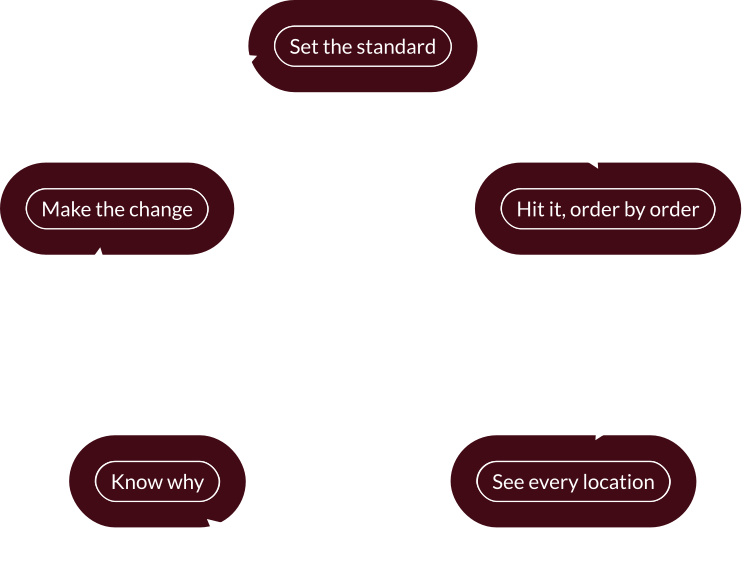
Set the standard
Define what on time means for every location and every channel. Pickup, dine-in, and delivery each get their own targets, including whether early counts against you. Set one location at a time, or push targets to a thousand locations at once.

Hit it, order by order
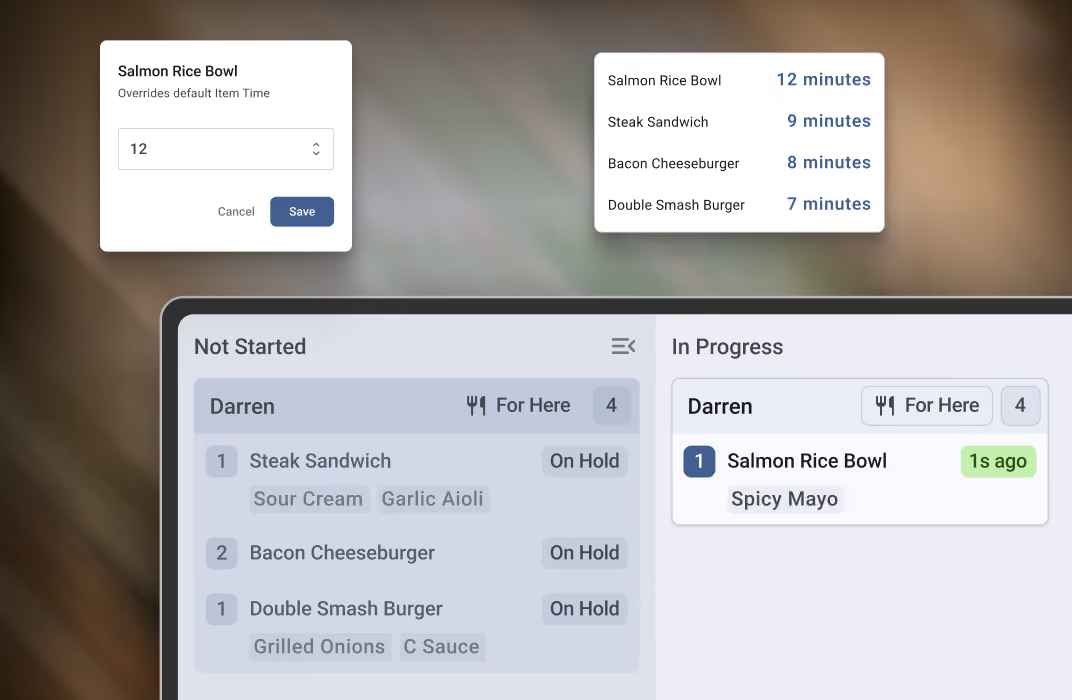
The screen works backward from each order's promise. Item timing holds the salad and fires it after the steak, so the whole order lands at expo together. On time, not early, not rushed.
See every location, live
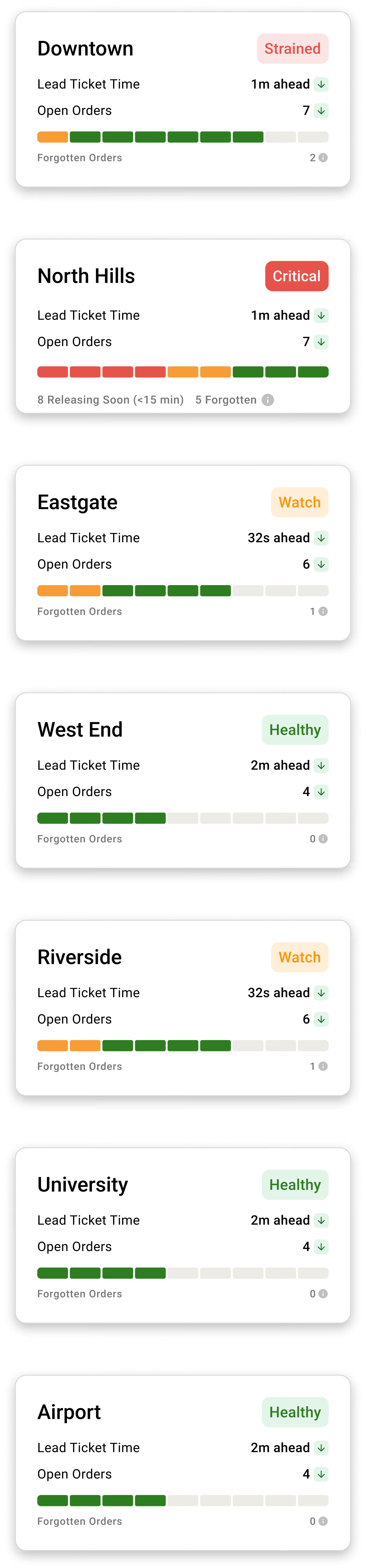
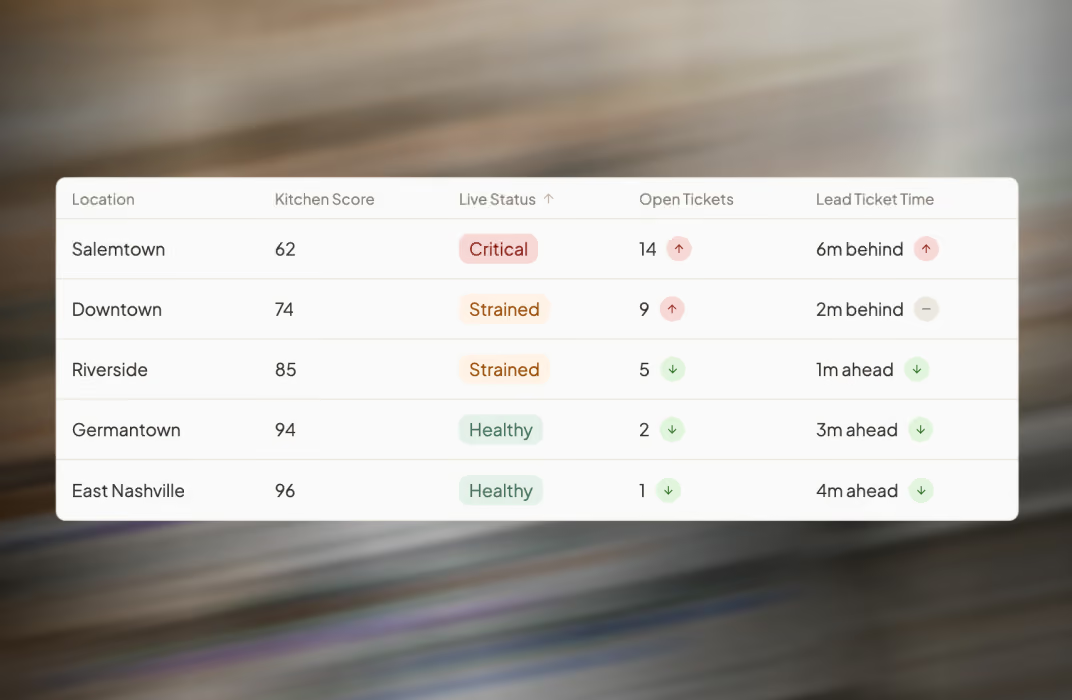
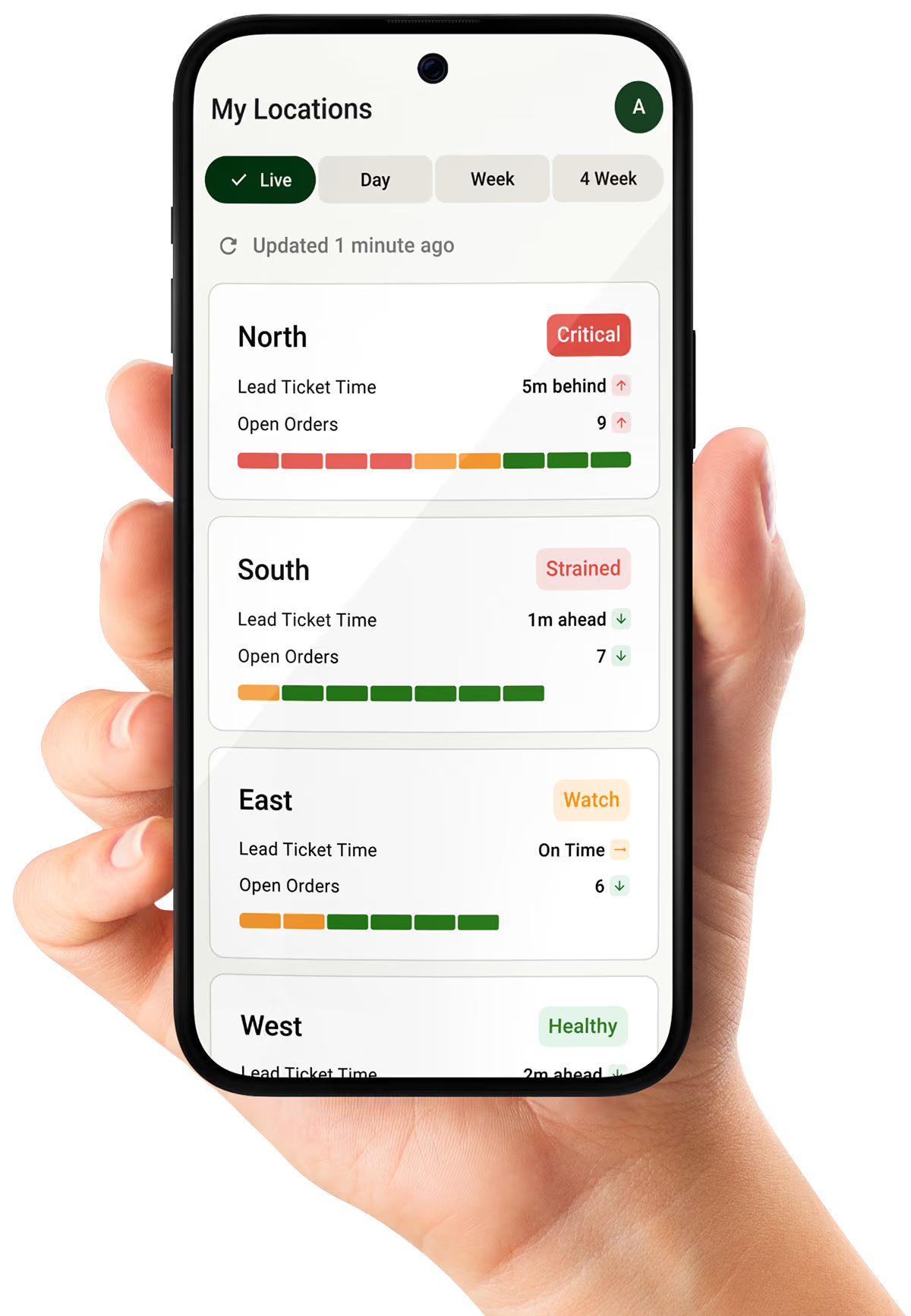
One login, every kitchen. Watch service as it happens, compare locations side by side, and see which orders kept their promise, down to the item and the station.
Know why, and what to change
When a location misses, Fresh reads that day's execution record and tells you what happened, why, and the specific setting to change. A recommendation you can act on, not another report to interpret.

Make the change, everywhere at once
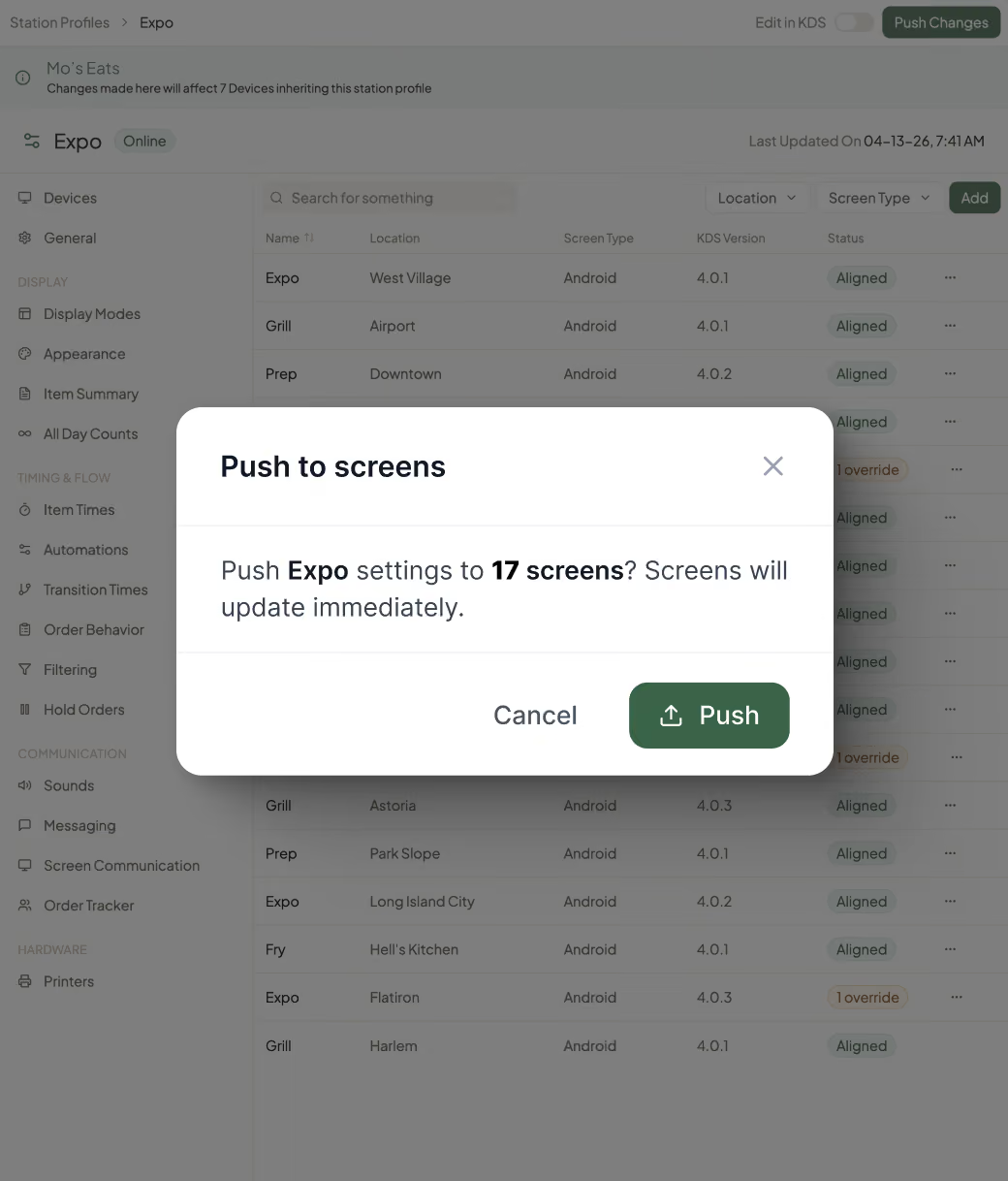
Knowing what to change only matters if you can change it. Build a screen profile once, group your locations, and push the update to every kitchen that needs it. One save. No engineering ticket, no screen-by-screen rebuild.

Build on the record
Your kitchens' execution data belongs to you. The Intelligence API delivers kitchen scores, on-time performance, and item-level timing to your BI stack, your warehouse, or whatever you build next.

Built to scale with your operation
Taziki’s locations running Fresh KDS across its growing restaurant operation
Years partnering with Taziki’s as its brand and restaurant footprint have grown
Deployment shouldn't be a construction project.
Some enterprise kitchen systems arrive with an engineering team. Data models get built for each screen, at each location, and once the rollout is done, changing anything means scheduling another one. The configuration is the project.
Fresh KDS treats configuration as something you build once. Create a screen profile in the web app, assign it across your locations, and push a change to every screen the moment you save. No site visit, no rebuild, no ticket.
Live in a pilot before most vendors finish the paperwork.
The pilot defines success before you commit to the fleet. If the numbers aren't there, you'll know in weeks, not quarters.
Contact salesPilot
Phased rollout
Full fleet
Runs on standard iOS and Android tablets, so there's nothing special to source, image, or replace.
Orders flow in automatically from major POS platforms, including Square, Clover, Oracle Simphony, Lightspeed, Qu, and PAR.
Endpoints, ports, and IP ranges are published up front, so your network and security teams can vet everything before install.
Every location's kitchen execution data is yours to export and analyze, at any point in the rollout.
A dedicated account team from pilot to full rollout, backed by a 99.9% uptime SLA with service credits.
Manage and improve kitchen performance across every location
Order displays alone don't reveal kitchen performance
A KDS tracks orders in a restaurant. Leadership sees which locations lag, where delays happen, and how many orders are affected.
Fresh KDS connects kitchen activity into a brand-wide view, helping your team focus, identify issues, and improve performance.
Contact sales
See, run, and manage every kitchen from one system
Connect brand-wide performance with the tools teams use to keep orders on time and the controls operators need to manage Fresh KDS across locations.
Kitchen performance
See live and historical performance across your brand, from orders missing guest expectations down to the stations and items where time is being lost.
Contact salesKnow which kitchens need attention right now
Live kitchen health, lead ticket times, open orders, and station status show where service is slipping while there is still time to respond.
See when orders miss guest expectations
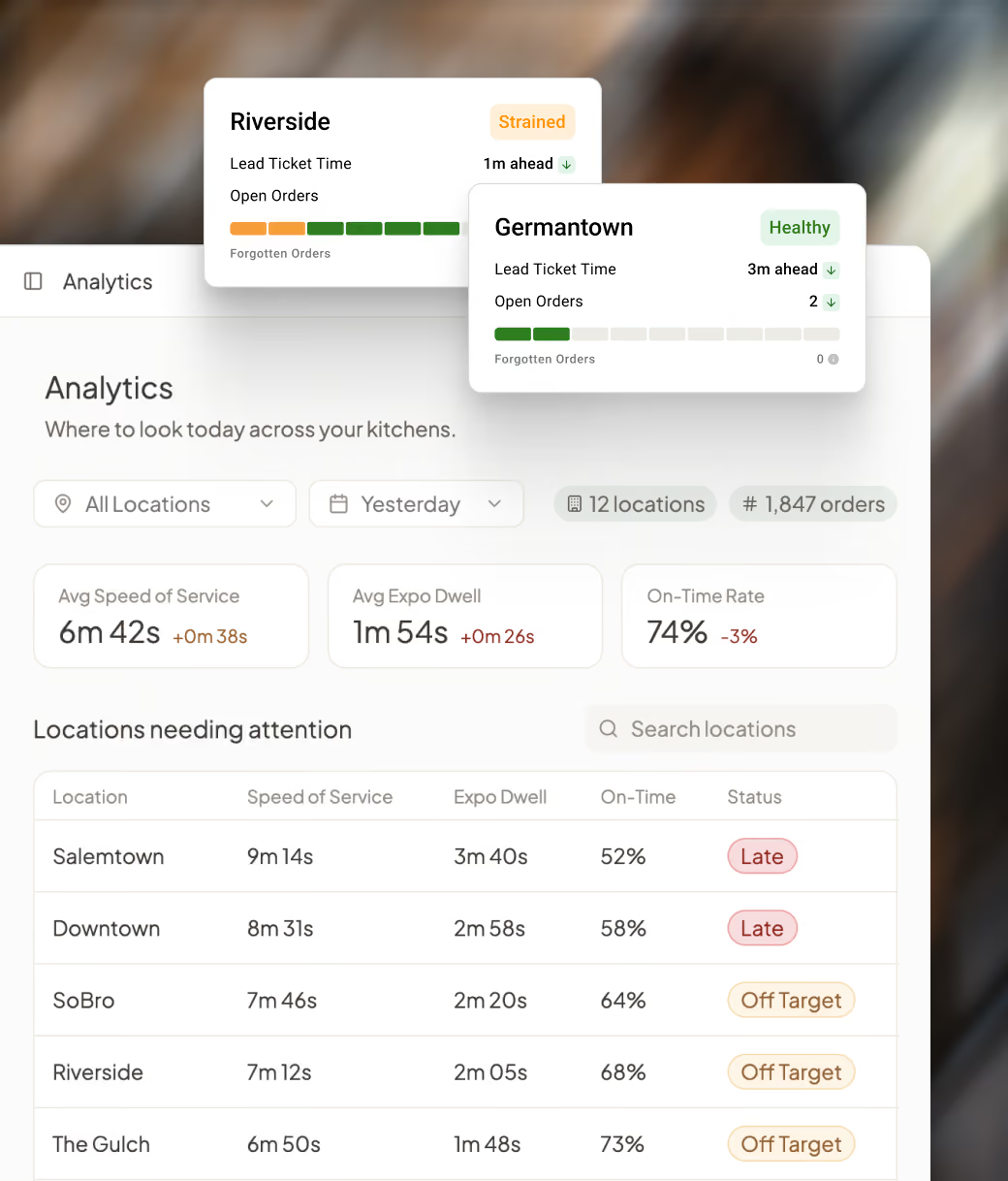
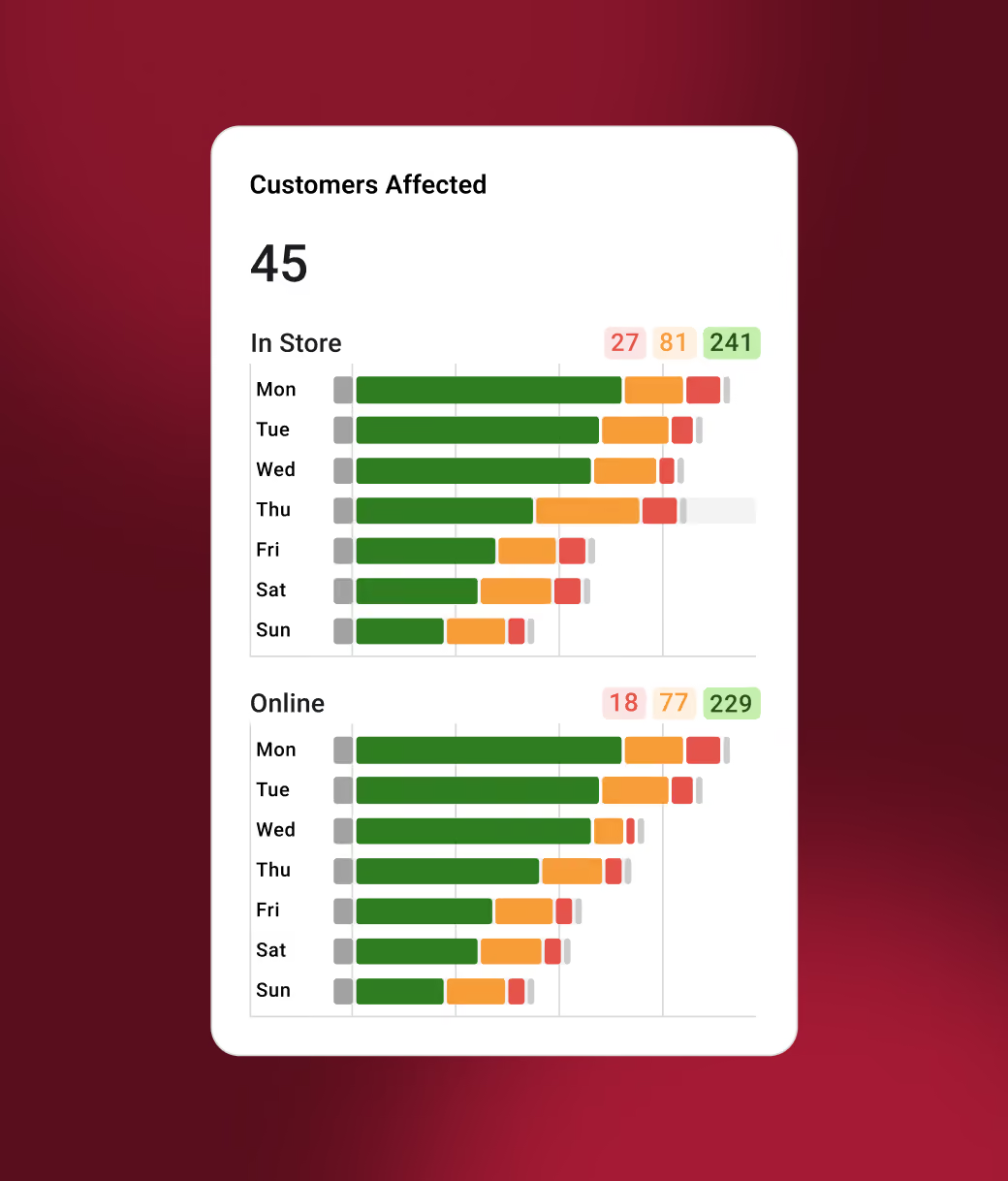
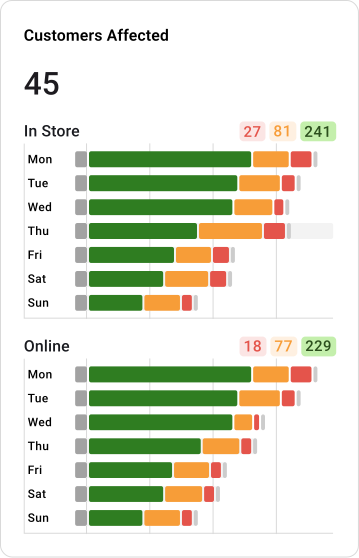
Measure in-store orders against your speed-of-service target and online orders against promised pickup time, then see what was on time, close, or off target and how many guests were affected.
Find where time is being lost
Measure performance down to the station and item to separate time spent waiting to start, in active prep, between items finishing, and sitting at expo.

Know whether changes are actually working
Compare performance across days, weeks, and locations to see whether speed of service is improving, slipping, or repeating the same patterns.
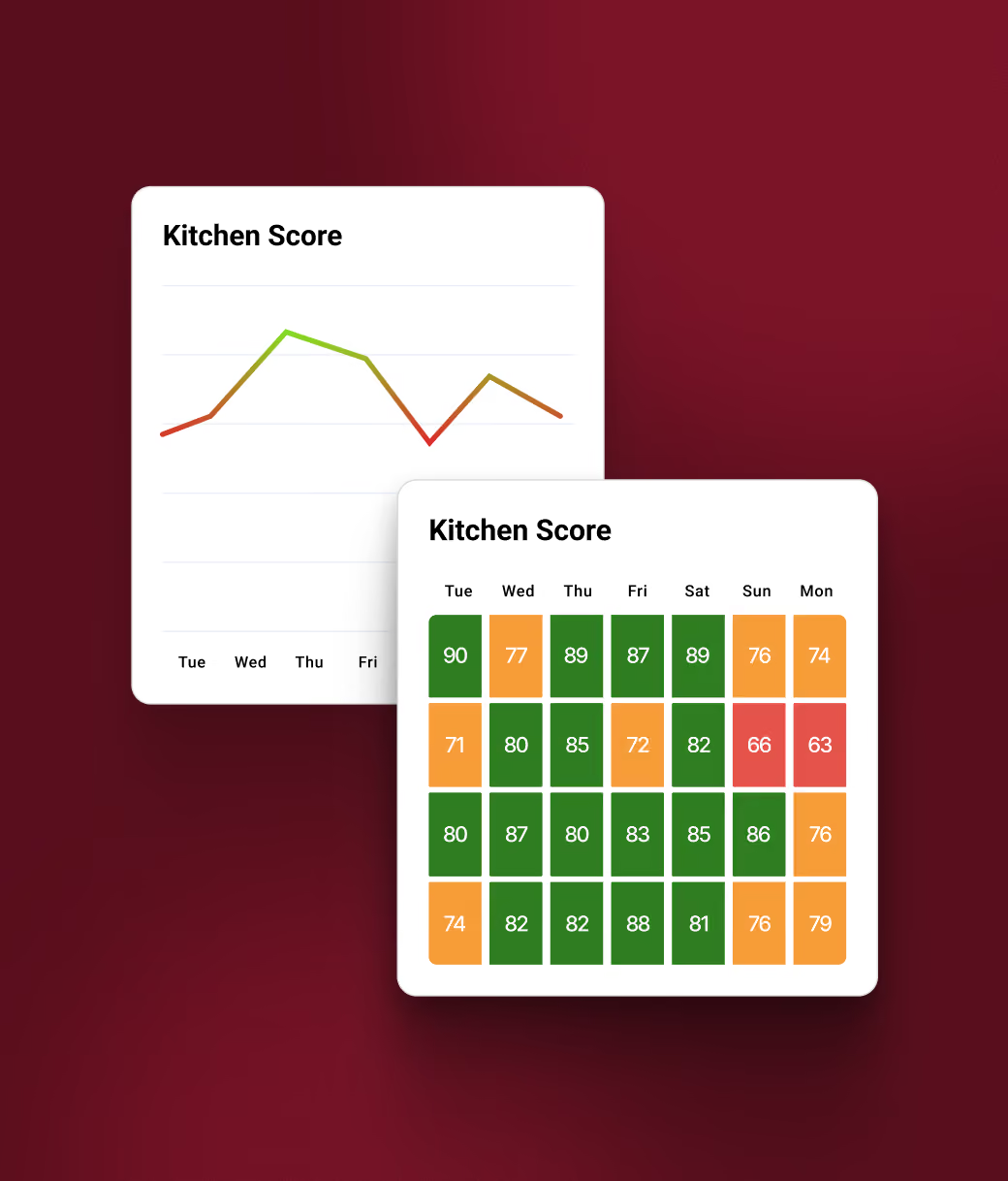
Kitchen performance
See live and historical performance across your brand, from orders missing guest expectations down to the stations and items where time is being lost.
Contact salesKitchen workflows
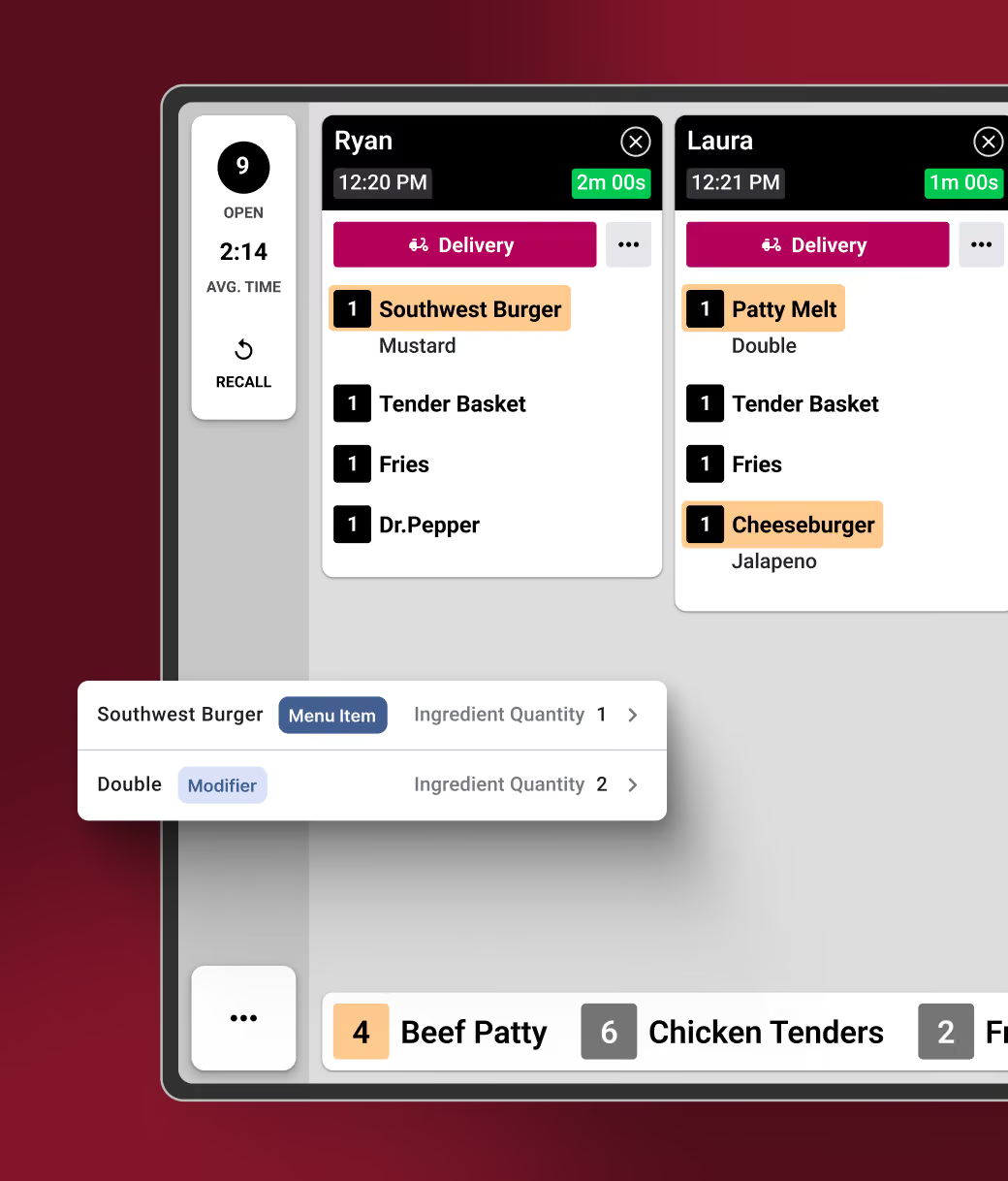
Give teams better ways to manage timing, prep, and station coordination so orders come together when guests expect them.
Contact sales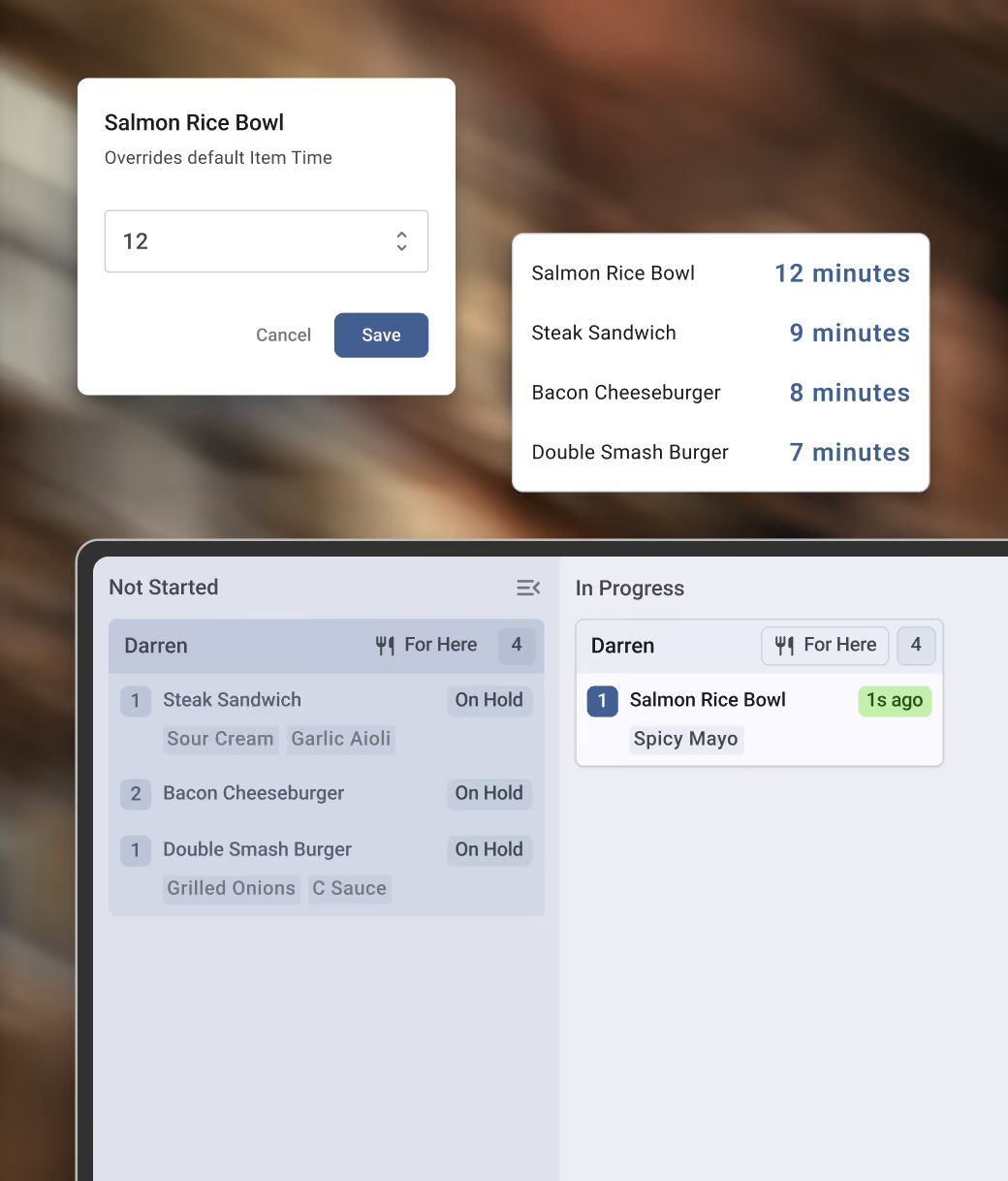


Brand-wide KDS control
Configure screens, reuse settings across locations, and push approved changes remotely without updating devices one by one.
Contact sales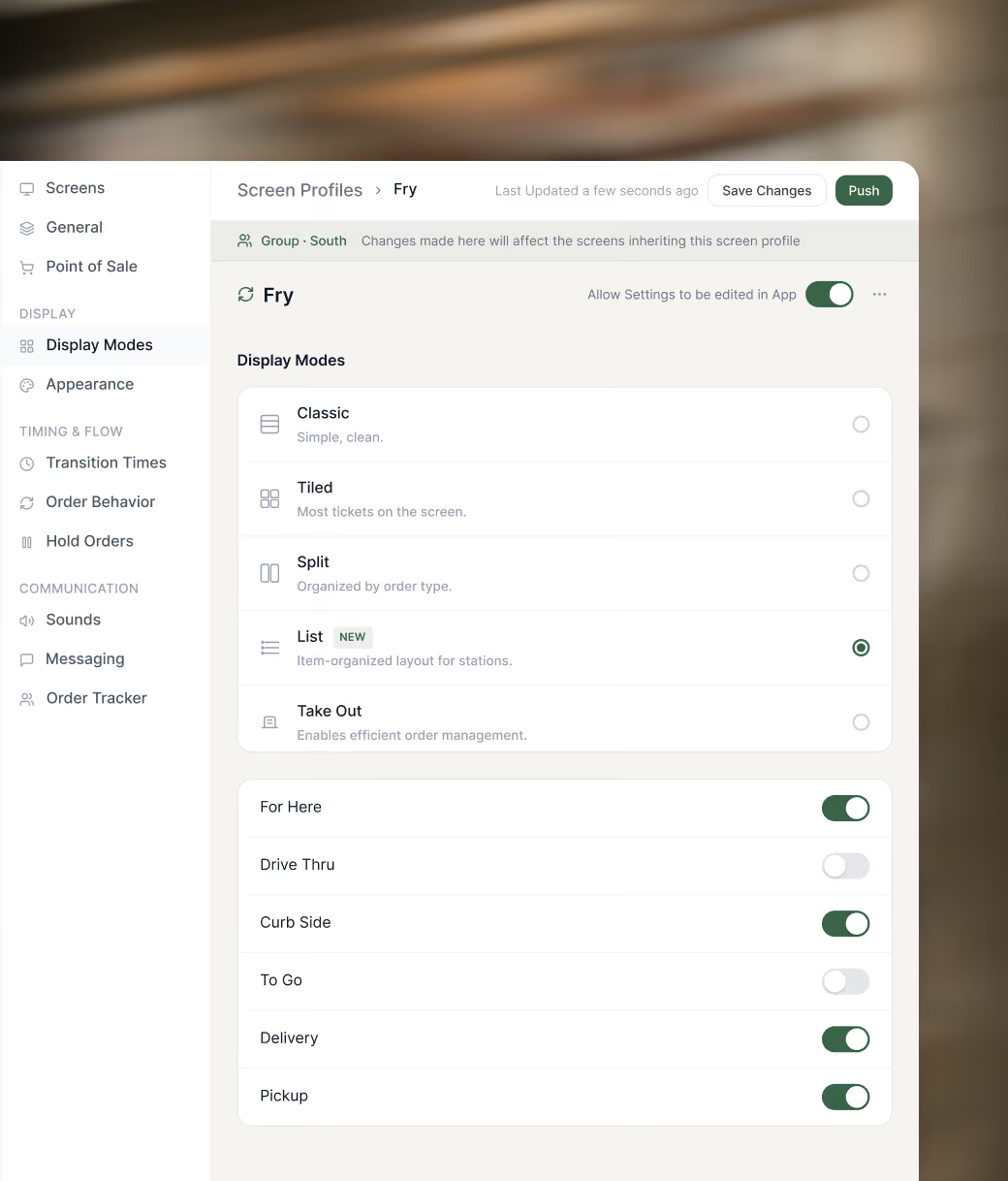

Know what to improve without digging through the data
Fresh KDS highlights key performance issues and offers tailored recommendations based on your kitchen's data.
Each recommendation names the issue, suggests what to change or investigate, and shows the evidence behind it, from the station and time involved to the orders and guests affected.
Contact sales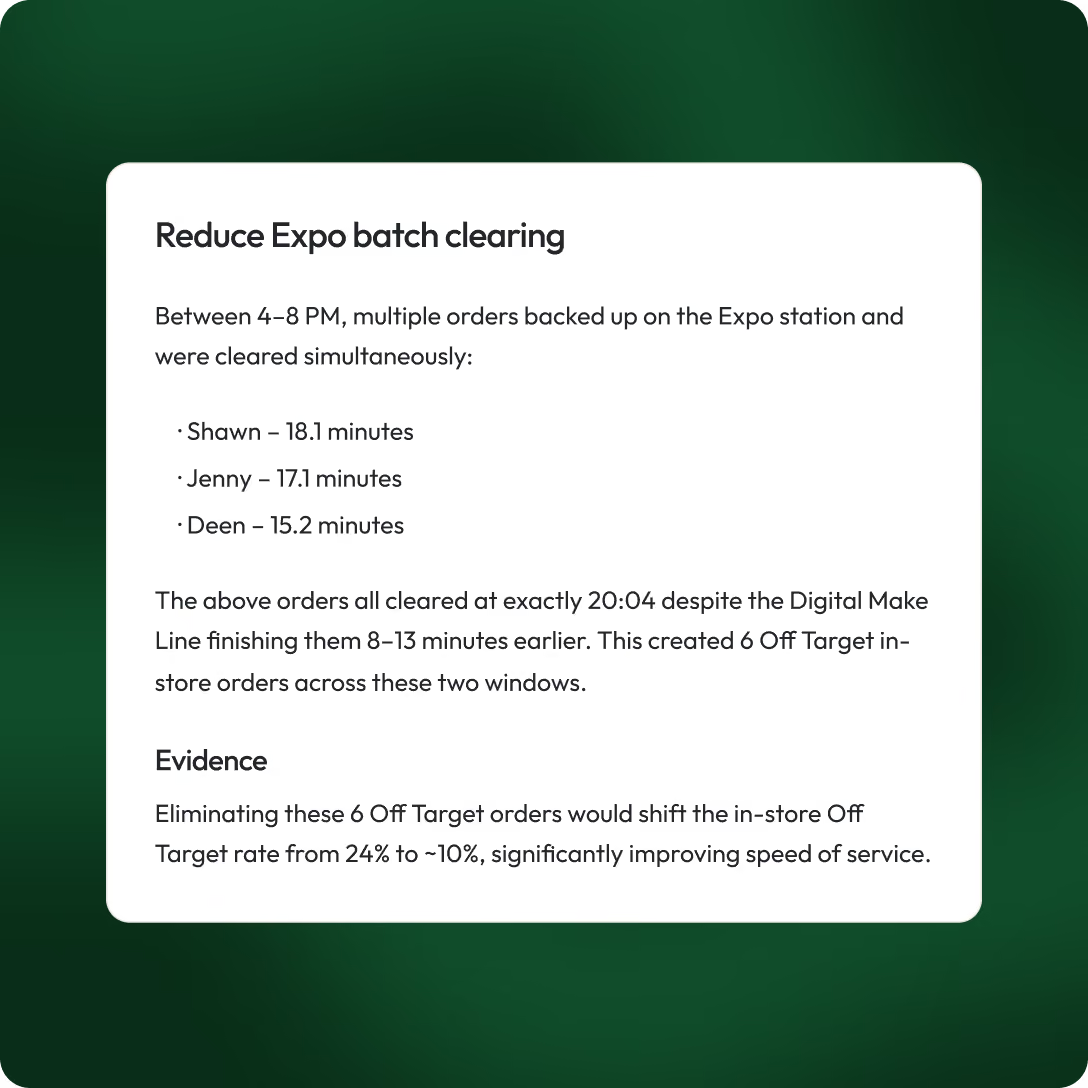

Get every location up and running faster
Fresh KDS reduces the hardware, integration, configuration, and training work that slows enterprise deployments.
A clear path from kickoff to launch
A dedicated Fresh KDS team guides your rollout from planning through launch, adapting the process to your operation and supporting your kitchens every step of the way.
Contact salesPlan
Configure
Validate
Launch
Built to scale with your operation
Taziki’s locations running Fresh KDS across its growing restaurant operation
Years partnering with Taziki’s as its brand and restaurant footprint have grown
.avif)
Ready to know which promises your kitchens are keeping?
Thirty minutes with the team that built the platform. We'll show you how multi-location operators measure on-time performance across every location, and if a pilot makes sense, we'll define success criteria together before you spend a dollar on the fleet.